

Understanding Learner Profiles in Adult and Child English Classes
Back when I was teaching in Dubai, my days started early with a lively bunch of Year 2s and ended late with a mix of adults from places as far apart as Egypt and the Philippines. Honestly, you’d think it was two different worlds, not just different groups. Not only was there an obvious age gap, everything felt different: how they approached lessons, what pushed them to keep going, even the stuff they carried with them - hopes, worries, you name it. So age isn’t just a number in the TEFL world - it’s almost like a lens into how our students think, feel, and act. Children, especially under 12, are still figuring out their memory and logic skills. Attention? Well, it comes and goes. And their sense of self? All over the place. For most kids, English is something the grown-ups told them to learn. They soak up loads, but only if you make the learning fit. Just pouring in facts doesn’t work (I tried - it’s a mess). But adults? They walk in already carrying life stories, opinions, maybe a bit of old-school grammar trauma. They’re usually aiming for something: a better job, meeting a visa requirement, or just wanting to feel like they belong in a new country. And they spot their own weaknesses in English fast. It can get them down. Yet they’re disciplined and can think back on what works for them - I’ll admit, my six-year-olds never quite managed that.- Children: Still building memory and logic, short attention spans, respond well to routines and repetition
- Adults: Already have solid thinking skills, comfortable with abstract stuff, know what motivates them (or at least, they notice when they aren't motivated)
- Children: Motivation comes from outside - stickers, cheers, games
- Adults: Mainly driven by what’s practical or meaningful to them (work, travel, settling in)

Classroom Management Strategies for Children and Adults
Let’s be real: anyone who thinks “classroom management” means the same thing in every class has definitely never tried keeping a group of seven-year-olds focused after lunch. Handling behaviour - and all those rollercoaster emotions - is a totally different experience with kids than with grown-ups. With children, you’re honestly a bit of everything: entertainer, referee, stand-in parent (it’s tiring - but you do get used to it!). When I was teaching in Mumbai, bright visual charts saved my life: a big, colourful routine board for class tasks, a silly clap I’d invented to get their eyes on me, and the famous “mystery student” game for rewarding good behaviour. And movement breaks! Essential. If you skip them, they’ll find their own - usually at the worst possible time. Adults are a bit sneakier. They won’t start flinging pencils or burst into tears just because their partner got extra praise. But, don’t relax too much, because classroom management matters just as much. Adults might question you, mentally check out, or talk over everyone else. The trick? Be clear about what you expect, set rules that feel grown-up, and always show respect. That’s the glue.- Children: Have routines, visual cues, give lots of praise, keep rules simple
- Adults: Build class agreements, support mutual respect, handle those "big personalities" with care
- Children: Change things up with movement breaks and short bursts of activity
- Adults: Use different interaction pairs or groups, let them work alone sometimes
Pro Tip: Always over-plan for the little ones! Keep two or three extra activities ready, because the class energy will shift (usually when you least expect it). For adult classes, make sure you have harder tasks waiting for early finishers or anyone who needs more of a challenge.
A mum in Sharjah once pulled me aside, worried her son wouldn’t “sit still long enough.” I explained (nicely!) that kids remember best when they’re actively moving. Try that logic on an adult class, though, and you’ll get polite nods at most - definitely no volunteers for a jumping game.
Comparing Teaching Approaches for Adults vs Children
So, how does all this actually play out in lessons? Here’s where your teaching style really has to split. Adults want a reason for everything. “Why are we learning this?” Honestly, you’ll hear it almost every single day. They love lessons built around real life: writing a CV, phoning customer service, discussing the local news. They can sit longer, handle abstract grammar, and don’t mind direct, respectful feedback. Children though? You become a sort of play director. Think songs, silly chants, drama, drawing, and (of course) games. Grammar? Hide it inside a story or a game, or you’ll lose the whole class. Short, chopped-up lessons work best, and repeating things isn’t boring - it’s necessary. Here’s a quick comparison:| Aspect | Adults | Children |
|---|---|---|
| Lesson focus | Real-life situations, using language for work or debates | Games, stories, easy vocabulary, simple sentence patterns |
| Activity types | Role-plays, group talks, problem-solving, case studies | Songs, TPR (Total Physical Response), drawing, matching games |
| Grammar teaching | Explained openly, using examples or rules | Hidden in context, repeated naturally |
| Error correction | Open and clear, with reasons | Gentle, often delayed or indirect |
| Lesson length | 60-120 minutes | 30-45 minutes |
| Classroom language | More English, minimal use of first language | Lots of pictures, gestures, sometimes using first language for support |
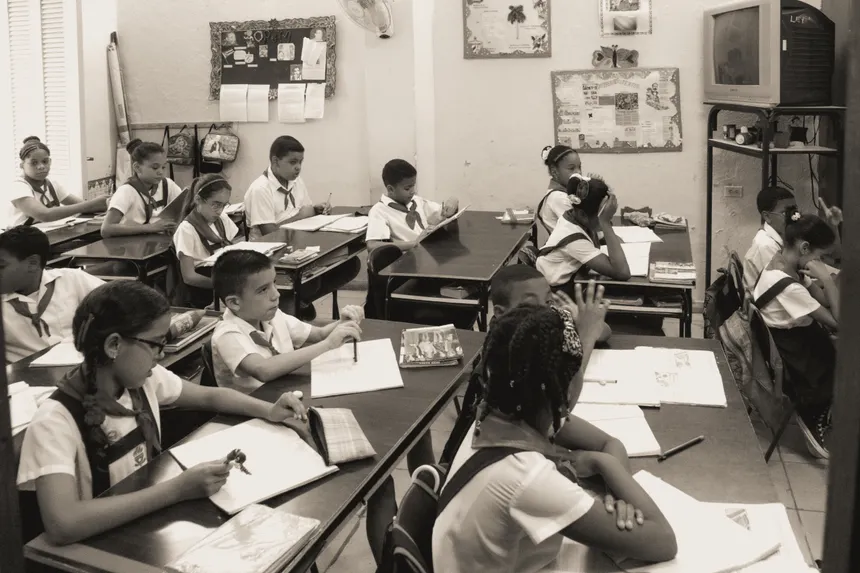
Motivation and Engagement: What Drives Different Age Groups
Here’s the thing: if you’re not thinking about motivation, you’re missing the point of teaching. Why do some students keep coming back? Why do they stick with it, even when the going gets tough? For kids, it’s almost never about really wanting to master some tricky grammar point. It’s about the fun, the praise, being liked - basically, the “gold star economy.” I once saw a class of nine-year-olds in Delhi almost explode with happiness because of a sticker chart. Wouldn’t work at all with my night-time group at IQ TEFL Academy - they’d just look at me, confused. Adults, especially those who actually chose to be there, are all about those concrete goals. That British Council survey in 2022 showed that 68% of adults wanted English for better work opportunities. Another 24% needed it to settle in after moving to a new place. This is serious motivation: jobs, family, feeling like you matter.Adults tend to have more inner motivation - they simply want to understand and be understood, and to grow as people. But don’t forget, outside factors still play a big role: exams, what parents expect (especially for young adults), just wanting not to stand out for the wrong reasons."Adult learners bring a reservoir of life experience. The teacher’s role is to connect English with their immediate personal and professional needs."
- Dr. Susan Holloway, TESOL International
- Children: Motivated by having fun, getting praise, and rewards they can see and touch
- Adults: Motivated by goals, personal growth, or because life requires it
So the trick? Build on what’s already there. For adults, show them how every lesson matters for their real life. For children, make the lesson itself something they actually want."Children’s engagement often depends on novelty and emotional connection. Routine is vital, but so is surprise."
- Tomoko Sato, Young Learner Specialist, IQ TEFL Academy
Adapting Materials and Activities for Age-Appropriate Learning
If I had a pound every time I watched someone use the same worksheet with adults and then with ten-year-olds, I’d easily buy coffee for everyone at IQ TEFL Academy. Materials really do matter - not just for language level, but for how your students think and feel at those ages. Kids need big, bold pictures, super simple instructions, activities that get them moving or touching things. Use songs, flashcards, storybooks and puppets - you’ll see instant results. But try the same thing in an adult class and, honestly, it just feels like you’re being patronising. Adults want materials that look like their lives: proper emails, news articles, forms, conversations that matter.
Pro Tip: If you’re turning real-world materials into child-friendly activities, strip the language right back, add lots of pictures, and keep directions as clear as possible. For adults, don’t make things too easy - instead, help by teaching them the key words first and checking they understand the ideas.
- Children: Use bright visuals, real objects or toys, games and songs, group activities
- Adults: Use news pieces, podcasts, real-world documents, role-plays, debates
- Children: Keep tasks short and switch things up often
- Adults: Let them try longer, more involved projects

Assessment and Feedback: Best Practices for Adults and Children
Testing and feedback can make a student feel brilliant or totally demotivated. For children, make your assessment gentle and constant, wrapped into games or group work. No one wants to be the kid singled out for a red cross or sad sticker. Use observation, portfolios, team projects - that sort of thing works. Adults expect you to be honest and specific about what they can improve. And to be fair, they’re often much harder on themselves anyway. So here you bring in things like clear correction, letting them check each other’s work, and sometimes even self-assessment.- Children: Use games, watch and listen, oral Q&A, keep checklists simple
- Adults: Do written tests, presentations, peer reviews, pinpoint errors directly
- Children: Praise effort and joining in, not just being right
- Adults: Focus on communication, fluency, and getting things right
If you’re aiming for a TEFL certification, you’ll quickly see that changing your assessment style is a basic requirement in any good course. I mean, a five-year-old’s “progress” looks very different from a fifty-year-old’s. Well, actually, sometimes it surprises me how similar their smiles are when they get it right."Feedback for adults should be actionable and respectful. For children, it should be encouraging, emphasising what they can do, not just what they can’t."
- Priya Nair, IQ TEFL Academy
Cultural Sensitivity in Mixed-Age and Multinational English Classrooms
There was a class I taught in Abu Dhabi, packed with twelve nationalities - from Sudanese kids to Filipino engineers. Age and culture crisscrossed in ways I hadn’t seen anywhere else: sometimes what made a French teen laugh made a Saudi adult cringe. Cultural awareness isn’t just some teaching trend - honestly, it’s survival. Kids can usually adapt more quickly, but sometimes they’re painfully direct. Adults carry all sorts of expectations about respect, authority, even who should speak first. Our job is to set up a place where every single person feels welcome, no matter where they’re from.
Pro Tip: Learn everyone’s names fast and use them. It’s the simplest, quickest act of respect - and it makes a difference, no matter the age or culture.
- Start with clear ground rules that fit all ages and cultures in the class
- Be careful with jokes or touchy topics, unless you’re sure everyone’s on board
- Mix up your examples and materials so everyone sees themselves reflected
- Let learners share about their cultures, but guide it gently and make sure everyone feels safe
If you end up with a mixed-age class (pretty common online or in community centres), make interaction rules super clear from day one. Pairing a teenager with a forty-year-old? Can be great or a total flop - the way you shape your classroom makes all the difference."Inclusivity isn’t about treating everyone the same. It’s about recognising difference and making space for it."
- Dr. Lila Rahman, Senior Trainer, IQ TEFL Academy
Choosing Your TEFL Path: Maximising Success with Your Preferred Age Group
By now, you probably know which age group feels right for you. I always tell new teachers: working with kids and teaching adults are almost like two different jobs. Both have their tough days, both are rewarding - but you need different tricks and mindsets for each. If you get energy from games, stories, and a bit of delightful chaos, young learners might be your match. If you love real discussion, practical lessons, or helping people smash big career goals, teaching adults could be where you shine. At IQ TEFL Academy, we design our TEFL programmes so you can specialise - no need to stick to a generic path.- Young Learner TEFL: All about managing kids, creative games, storytelling, and child-friendly lesson planning
- Adult TEFL: Focuses on analysing needs, business English, exam prep, and hands-on communication skills
