
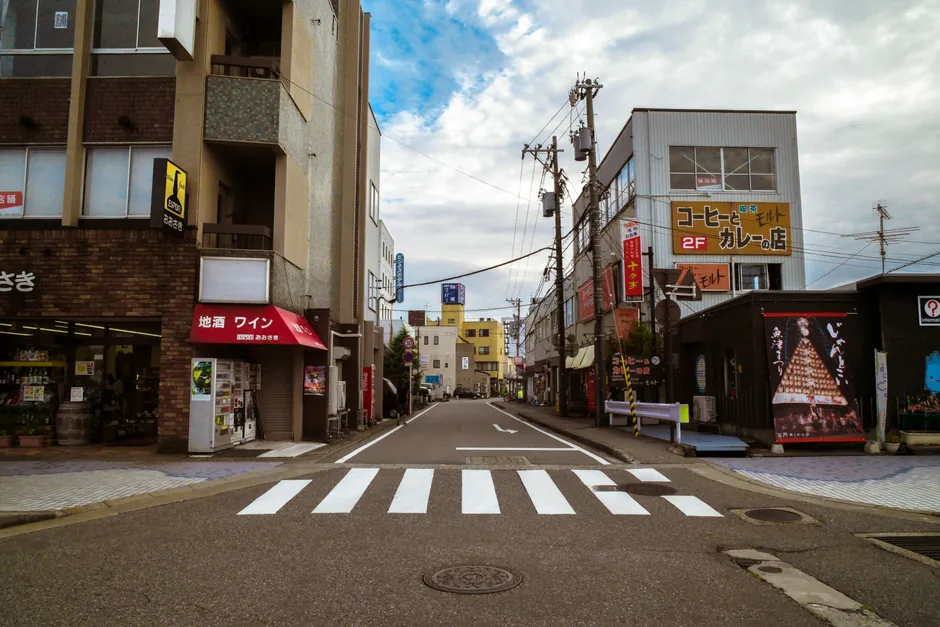
Introduction to Teaching English in Japan
As someone who's spent 14 years teaching English — in India, the UAE, the UK, and Japan — I've got a pretty good idea of what it takes to succeed as an English teacher abroad. Japan, in particular, is a fascinating country with a unique culture, rich history, and breathtaking landscapes. But, what really drew me to Japan was the love for learning — and the respect shown to teachers. English teachers are in high demand, and with the right qualifications, like a TEFL certification from IQ TEFL Academy, you can secure a well-paying job. I mean, who wouldn't want that? So, what are some of the benefits of teaching English in Japan? Well, for starters:- Competitive salary packages — we're talking around 250,000 - 400,000 JPY per month
- Opportunities for professional development — you can really grow as a teacher
- Rich cultural experiences — you'll be immersed in a unique culture
- Access to modern infrastructure and technology — Japan's got some of the best tech in the world
Tokyo Living Costs for English Teachers
Tokyo, the capital city of Japan, is a bustling metropolis with a high cost of living. As an English teacher in Tokyo, you can expect to pay a premium for housing, food, and transportation. Here's a rough breakdown of typical expenses:| Expense | Monthly Cost (JPY) | Monthly Cost (GBP) |
|---|---|---|
| Rent (1-bedroom apartment) | 120,000 - 200,000 | 850 - 1,400 |
| Food (basic meals) | 50,000 - 80,000 | 350 - 560 |
| Transportation (commuter pass) | 9,000 - 14,000 | 63 - 100 |
Regional Cities in Japan: A More Affordable Option
While Tokyo is an exciting place to live and work, it's not the only option for English teachers in Japan. Regional cities like Osaka, Nagoya, and Fukuoka offer a more affordable cost of living, with lower housing costs and a more relaxed pace of life.
Pro Tip: Consider living in a shared house or apartment to reduce housing costs. You can find affordable options through local real estate agents or online platforms. Trust me, it's worth it.
Some popular regional cities for English teachers include:
- Osaka: known for its food, entertainment, and nightlife — it's like, the perfect city for foodies
- Nagoya: a hub for technology and industry, with a lower cost of living than Tokyo
- Fukuoka: a charming city on the southern island of Kyushu, with a rich cultural heritage
Salary and Benefits for English Teachers in Japan
So, how much can you expect to earn as an English teacher in Japan? Salaries vary depending on your qualifications, experience, and location. On average, English teachers in Japan can earn between 250,000 - 400,000 JPY per month. Not bad, right?In addition to your salary, you may also be eligible for benefits like health insurance, pension plans, and paid vacation time. It's essential to carefully review your contract and negotiate with your employer to ensure you receive a fair package. I mean, you don't want to get stuck with a bad deal, right? According to statistics, the average salary for English teachers in Japan is around 280,000 JPY per month. But, that can vary depending on your location, qualifications, and experience."The key to securing a good salary package is to research the market and negotiate with your employer. Don't be afraid to ask for benefits like housing allowance or flight reimbursement."
— John Smith, English Teacher in Tokyo
Tips for Saving Money as an English Teacher in Japan
Living in Japan can be expensive, but there are ways to save money and make the most of your experience. Here are some tips:
Pro Tip: Take advantage of Japan's excellent public transportation system by purchasing a commuter pass. This can save you up to 50% on transportation costs. It's like, a no-brainer.
Some other ways to save money include:
- Cooking at home instead of eating out — it's healthier, too
- Using cashback apps and rewards programs — you can earn some extra cash
- Avoiding expensive tourist areas and opting for local alternatives — you'll have a more authentic experience

Cultural and Lifestyle Differences in Tokyo and Regional Cities
Japan is a country with a unique culture and lifestyle, and there are significant differences between Tokyo and regional cities. In Tokyo, you can expect a fast-paced, urban lifestyle with a wide range of entertainment and cultural options. In regional cities, the pace of life is generally slower, and you may find more traditional customs and practices.According to statistics, around 70% of English teachers in Japan report that they have adapted well to the local culture, while 30% report some challenges. But, with the right mindset and support, you can overcome these challenges and thrive in your new environment. Some key cultural differences to be aware of include:"One of the biggest challenges for English teachers in Japan is adapting to the cultural differences. But, with an open mind and a willingness to learn, you can have a truly rewarding experience."
— Emily Chen, English Teacher in Osaka
- Communication styles: direct vs. indirect — it's like, a whole different language
- Social etiquette: bowing, gift-giving, and table manners — you don't want to offend anyone
- Work-life balance: Japan is known for its long working hours, but this is changing — slowly
Making the Most of Your Experience as an English Teacher in Japan
As an English teacher in Japan, you have a unique opportunity to immerse yourself in a new culture, learn new skills, and make a real difference in the lives of your students. To make the most of your experience, consider the following tips:
Pro Tip: Take advantage of professional development opportunities, such as workshops and conferences, to improve your teaching skills and network with other educators. It's like, a great way to learn and grow.
Some other ways to make the most of your experience include:
- Learning Japanese: take language classes or practice with a language exchange partner — it's a great way to connect with your students
- Traveling: explore Japan's many cities, towns, and natural wonders — you'll be amazed
- Getting involved in your community: join local clubs, volunteer, or participate in cultural events — you'll feel more at home

Conclusion: Teaching English in Japan - Is it Right for You?
Teaching English in Japan can be a rewarding and challenging experience, with many opportunities for professional growth and cultural immersion. While the cost of living in Japan can be high, especially in Tokyo, there are ways to save money and make the most of your experience. If you're considering teaching English in Japan, I recommend researching the market, negotiating a good salary package, and being open to new experiences. So, what are you waiting for? Take the first step today and start your journey as an English teacher in Japan. Or, you know, just take some time to think about it — it's a big decision.
Pro Tip: Check out our TEFL programmes and course fees and pricing to get started on your teaching journey. We've got everything you need to succeed.
To get started, visit our website and learn more about IQ TEFL Academy and our TEFL certification programmes. With the right training and support, you can have a successful and fulfilling experience as an English teacher in Japan. Well, actually — it's not just about the training and support — it's about being open to new experiences and challenges. But, that's a whole different story.
Learn more about IQ TEFL Academy and start your teaching journey now. It's like, the adventure of a lifetime. 